

Finding the Right Mix of AI and Human Creativity in Marketing in 2026
The power of technology and human creativity brought marketing to its peak point in 2026. Artificial intelligence (AI) now drives content creation, predictive analytics, customer segmentation, and hyper-personalization at an unprecedented scale. The speed of campaigns has increased through their new ability to use data and their advanced intelligent systems. Human creativity remains necessary for genuine storytelling which develops emotional ties and helps brands create their unique identity despite these technological advancements. The AI system provides operational speed with useful data yet it lacks the ability to understand human emotional, instinctual and social cognitive processes. Marketers need to develop marketing experiences that combine artificial intelligence with human creativity for their current marketing challenge.
AI: Supercharging Productivity and Personalization
AI has brought marketing its most significant advantages through three main factors which speed, scale, and data intelligence. Advanced generative tools now enable users to create complete blog drafts and social media posts, advertising content and visual materials at speeds that exceed previous human production capabilities. The system provides multiple tangible advantages to its users:
- Speedy creation of content which could have taken a few days is now down to few minutes, all this means that creating content, to remain there and timed perfectly, is no longer a nightmare for brands.
- Apart from SEO optimization, research AI mines search trends and user intent data to produce content that can rank quickly.
- The use of hyper-personalization messaging that tailors messages to individual user behavior and their particular preferences and user groups leads to increased user engagement.
- Insights driven by data of current importance helps marketers understand trends and change course in quick time.
AI has become an essential strategic resource which marketing teams use to drive their operations. Marketers can focus on higher-value work which include developing business strategies, creating brand stories and managing marketing campaigns instead of performing scheduling and writing tasks.
The Originality Premium: Why Human Intuition is Marketing’s New Gold Standard.
AI systems demonstrate their best performance when they handle large tasks, but they cannot replicate human emotional intelligence, cultural understanding and original creative thought, which are essential for creating marketing materials that connect with audiences. People build deep relationships through genuine emotional connections, which artificial intelligence can only imitate through tone replication because it lacks the ability to feel or comprehend human emotions. Brand voice and identity development need human expertise to understand values, cultural elements and storytelling methods. Human intuition and personal experience continue to drive creative strategy development and market positioning activities. The lack of human editing makes AI-generated content appear standard, so organizations need genuine creative work to achieve their competitive advantage.
The Balanced Approach: Partnership Over Replacement
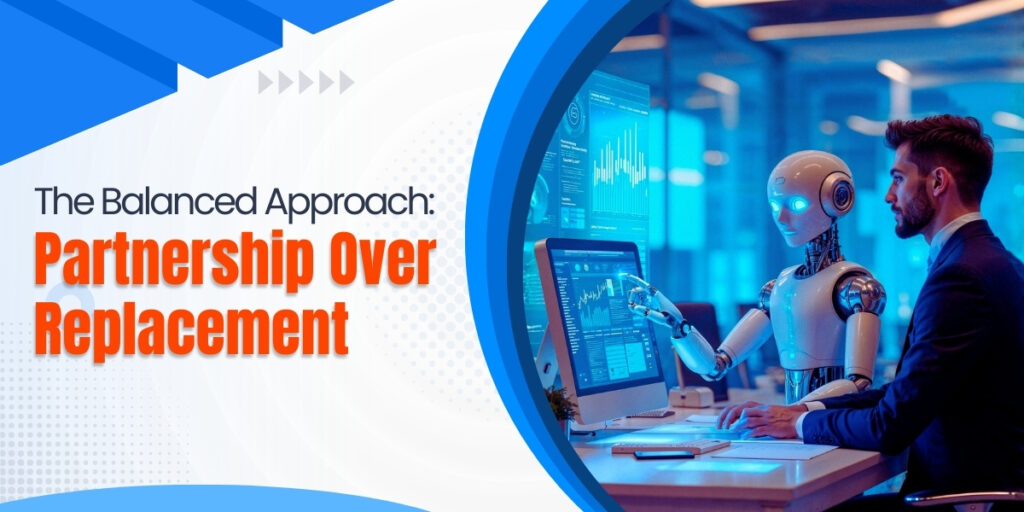
Marketers today see AI as their partner in the creative process who helps them work instead of threatening their work. Successful marketing teams across different industries and platforms use hybrid workflows that combine two different approaches to their work.
1. Human Strategy + AI Execution
Human teams establish the narrative, emotions, and strategic goals which they use to create different content through AI technology. The system establishes a quick feedback system which enables creative work to enhance operational efficiency.
2. AI for Routine Tasks; Humans for Meaning
AI handles time-consuming tasks like tagging, scheduling and A/B testing which allows humans to concentrate on storytelling, brand development and user experience design.
3. Iterative Human-AI Collaboration
High-performing teams use AI to generate options which humans improve while AI tests results to establish an ongoing process of enhancement. The loop enables marketers to learn quickly, test boldly, and scale smarter.
4. Creative Direction Anchored in Human Values
AI systems produce valuable content through their abilities to generate useful material. Human creators ensure that produced content matches brand ethics, cultural relevance, and emotional resonance. Authentic campaigns reflect lived experience, not just data patterns.
Real-World Examples
Many brands across the expanding marketing universe are showcasing the ways to strike a balance:
- Netflix uses artificial intelligence to analyze viewer patterns for its shows and movies but depends on human writers to develop stories that create emotional connections with audiences.
- Kind Snacks used AI as a digital partner to help bounce around new ideas, but they didn’t let the robots take over the whole show. They made sure real people were always in the driver’s seat to make the big calls and keep the brand feeling like itself.
- Coca-Cola tested things out, they found that while AI is awesome at doing the grunt work of coming up with ideas, it still can’t beat a person when it comes to choosing music that really makes you feel something.
The presented examples demonstrate that AI can augment productivity, but humans anchor creativity and emotional impact.
Why This Balance Matters More in 2026
In 2026, the biggest hurdle for companies isn’t just getting their hands on the newest AI. It is making sure they don’t lose their personality along the way. Trends today show that while AI is great for picking up the pace, people are still the ones who come up with the actual game plan and put some heart into the work. Since the internet is filled with the same old content, being original should be a priority. People today want the real deal, and with all the talk about privacy, companies need to make sure they are doing the right thing. When businesses pair up smart tech with human imagination, they really get the best of both sides. It helps them stay competitive and modern without losing that personal touch that makes customers actually trust and care about them.
- Since everyone is using the same AI tools these days, the internet is getting flooded with the same kind of content. That is why being original matters more than ever right now. The one thing that really makes a brand stand out isn’t the tech they use, but the special ideas and “secret sauce” that only a person can bring to the table.
- People are getting much better at spotting the difference between “robot-made” and the real deal. Because we’re surrounded by AI content, we tend to lean in and pay more attention when something feels genuinely human. Machines can copy patterns, but they can’t truly feel or recreate the deep emotional spark that connects one person to another.
- Trust in a brand really comes down to human connection. Because AI can sometimes make weird ethical mistakes or feel a bit “uncanny” when trying to be personal, we still need people to step in. It takes a human to make the final call on what is right, fair, and truly respectful to the customer.
The brand needs both efficient production and high-volume output to succeed but these operational capabilities require additional elements which include narrative storytelling, empathetic connections and creative solutions to establish their unique identity.
Practical Takeaways for Marketers
To make the most of the 2026 marketing landscape:
- Artificial Intelligence should be used for processing work at high speed, while human operators should maintain control over strategic decision-making and storytelling creation.
- The goal is to mix automation with a little empathy, so everything feels real instead of like it came from a computer.
- Allocating investment in AI tools has become crucial if one desires to lead creatively.
- The organization must track ethical issues while keeping its operations open to the public and its users. Trusting service will be maintained through automatic systems that develop their capabilities over time.
Conclusion
The discussion in 2026 will focus on the ways that artificial intelligence and human creativity should work together to produce better outcomes. Marketers use AI to build campaigns that operate with increased speed and exactness while delivering valuable data insights and expanding their operational capacity. Humans bring to work settings their ability to understand and share feelings together with their understanding of different cultures and their capacity to develop fresh ideas which help them build real connections with others. The partnership creates actual bonds between people while delivering superior results because the two elements work together in a productive way.